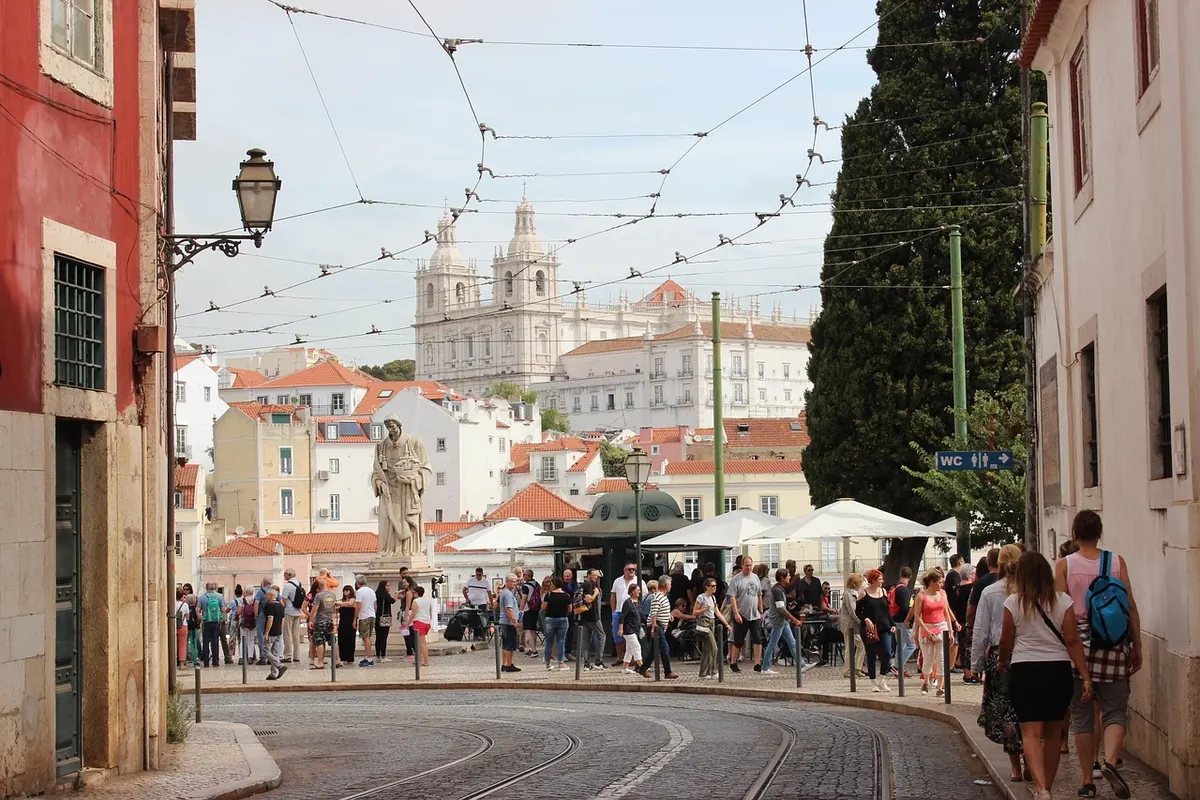
A Local's Guide to Affordable Eats in Lisbon
A practical guide to eating well and cheaply in Lisbon, from family-run tascas and market counters to...

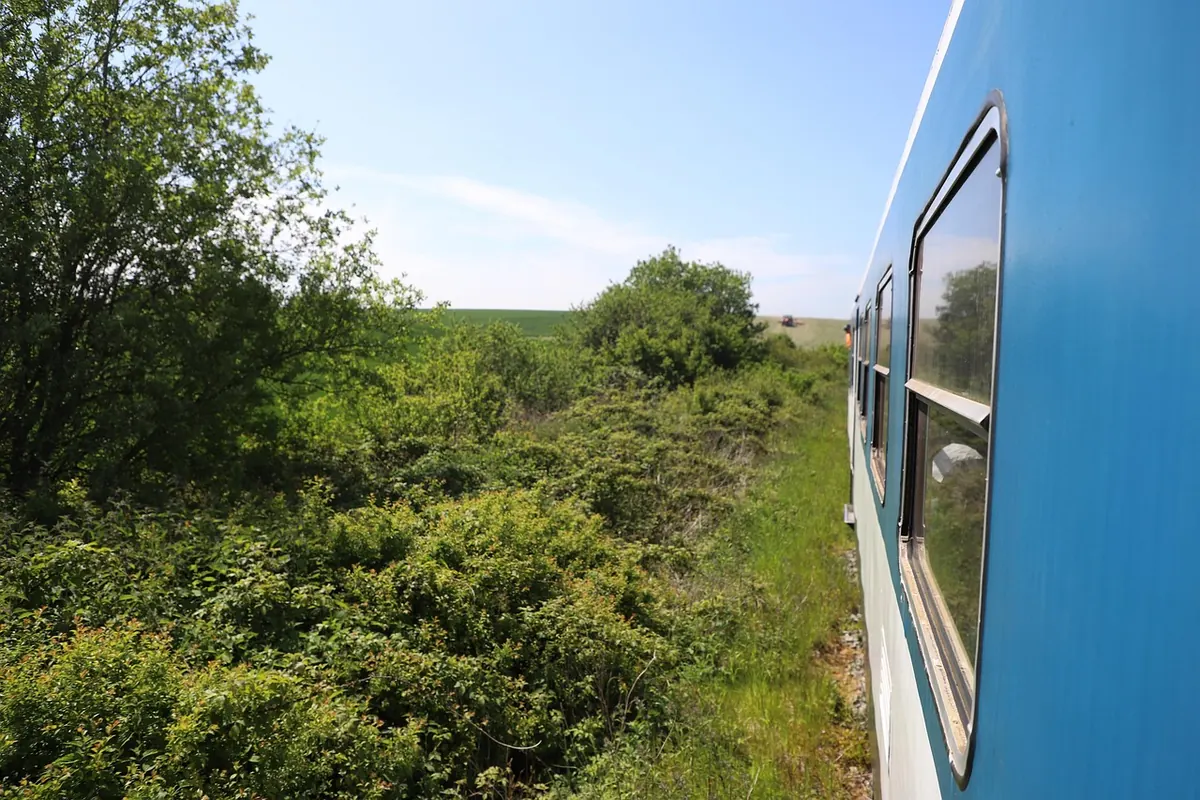
Interrailing has a reputation as a student rite of passage, but the pass makes just as much sense at 35 or 55. One ticket covers dozens of countries, and you can change your mind over a coffee on the platform. The catch is that a pass is not a plan. Trains sell out, several countries insist on seat reservations, and a route that looks tidy on a map can turn into nine hours of watching fields slide past. What follows is how to build a first Interrail trip that holds together — from choosing a pass to sleeping and eating without wrecking your budget.
Passes come in two shapes: continuous, which gives unlimited travel for a set period, and flexible, which gives you a fixed number of travel days to use inside a longer window. For a first trip, flexible is usually the better buy. It nudges you towards staying two or three nights in each place instead of sprinting between capitals.
Then draw the line. Most first-timers overestimate what a fortnight can hold. Three countries in two weeks is plenty, four is ambitious, and six is a blur of station concourses.
Pick a spine rather than a wish list. For example:
Each of those has frequent trains, sensible distances and plenty of places worth breaking the journey. Once the spine is set, decide how many nights each stop deserves, then book accommodation for the first two or three stops only. Leave the middle of the trip loose; that is the whole point of holding a pass.
A travel day runs from midnight to midnight. Many night trains that depart in the evening count as a single travel day, but the rules are fiddly, so check them against your specific pass before you commit.
A pass covers the fare. It does not always cover a seat. High-speed trains in France, Italy and Spain, many cross-border services and nearly all night trains require a reservation, which is charged separately from the pass. Sleeper cabins cost more again.
Book as soon as your dates are firm — weeks ahead in summer, and earlier still for night trains and the Eurostar, where pass-holder places are limited. The useful workarounds:
From London, the obvious door is the Eurostar from St Pancras to Paris, Brussels or Amsterdam, though some services now involve a change in Brussels. Pass holders still need a reservation, so book the moment your dates are fixed.
From Edinburgh you have three sensible options:
On a Global Pass you get one outbound and one inbound journey in your home country, which can cover the leg to London or to the port. Check the current eligibility rules for UK residents before you buy; the scheme's terms have shifted in recent years, and it is better to know than to assume.
The pass is rarely the largest cost. Accommodation and food are. A dorm bed in a hostel is the cheapest way to sleep in a city centre. Private rooms in hostels, budget chain hotels on the edge of town and university halls rented out over the summer are the usual step up. Book your first nights and any weekend nights in popular cities, and leave the rest flexible if you like living that way.
Night trains save a night's accommodation but carry a supplement, and you will not sleep as well as you imagine. Treat them as transport with a bed attached, not as a hotel.
Food is where budgets quietly vanish. A few habits keep it in hand:
Cards are widely accepted, but check what your bank charges for overseas use and keep a little cash for small towns and rural buses. If you are unsure about fees, travel insurance cover or anything financial, ask your bank or insurer rather than guessing.
Take one bag you can carry up a flight of stairs and along a platform. Anything with wheels is a liability on cobbles. Pack for five days and do laundry; hostels have machines and laundrettes are common. Keep passport, cards, phone, charger, a thin layer, snacks and water on you rather than in the hold, and screenshot every ticket and reservation, because wi-fi fails at the worst possible moment.
On long journeys, a window seat buys scenery and an aisle seat buys legroom. Either way, bring a book. And build in one unscheduled day a week: a laundry morning, a long lunch, a museum you did not plan for. Trips that are booked to the hour stop being fun around day nine.
After that, the best parts tend to be the ones you did not plan: the extra night in a town you had never heard of, the stranger who sends you to the right bakery. Book the bones, keep the rest loose, and go.
Photo: mrsolow / Pixabay
A practical guide to eating well and cheaply in Lisbon, from family-run tascas and market counters to...
From school holiday pricing and cancellation terms to hidden fees and misleading locations, here's how to...
How to break Britain's longest National Trail into manageable day sections, with practical advice on...