A Local's Guide to Affordable Eats in Lisbon
A practical guide to eating well and cheaply in Lisbon, from family-run tascas and market counters to...

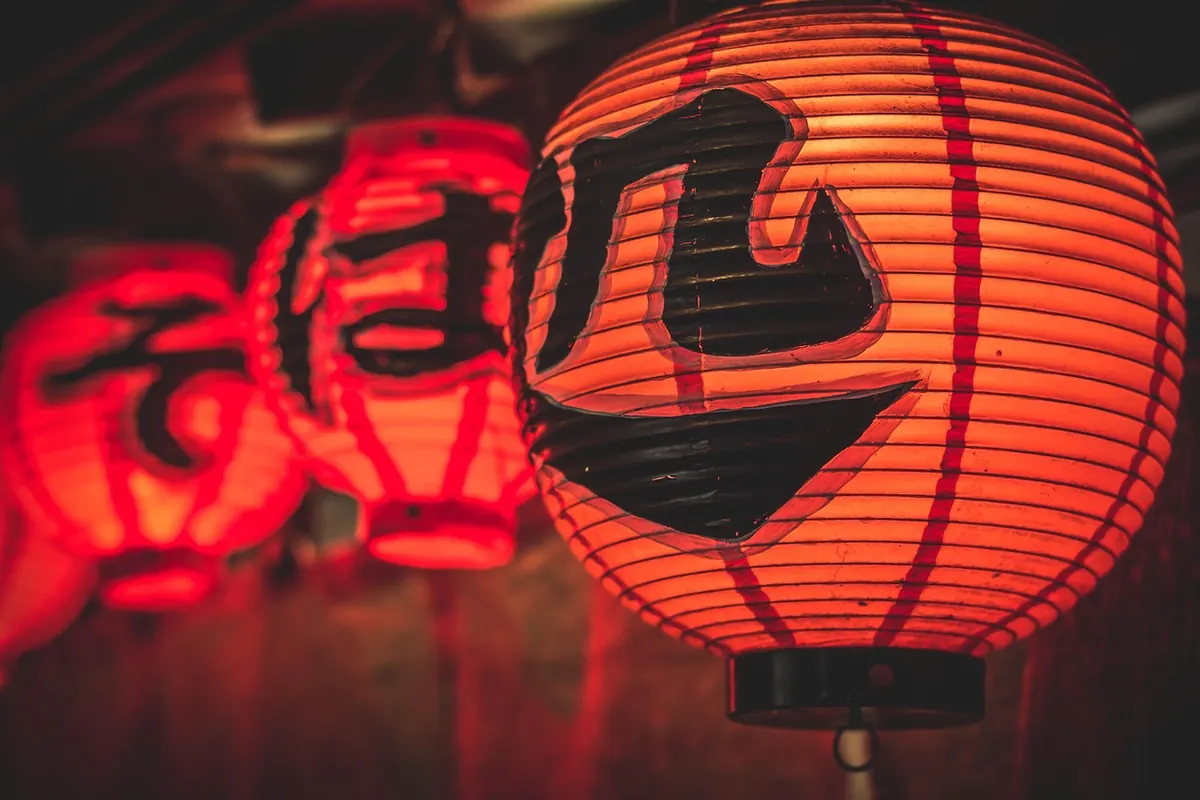
Japan is one of the easiest countries in the world to travel around. Trains run to the second, convenience stores sell a decent breakfast at seven in the morning, and when you look lost at a station map someone will usually stop and help. That reliability can lull first-timers into thinking nothing needs planning. In reality, most of the frustration people bring home comes from a handful of small assumptions — about cash, tickets, bins and timing — and each one is easy to fix before you fly.
Japan has moved a long way from the days when every purchase was notes and coins. Cards and QR payments work in hotels, chain shops and most city restaurants. But "most" is not "all", and the places you remember are often the ones that don't play along: the eight-seat ramen counter, the rural bus, the shrine stall selling charms, the little izakaya with a handwritten menu and a cash tray on the counter.
Carry both. Two cards from different providers, so one failing doesn't end your day, plus enough yen to cover a meal, a taxi and a locker. Withdrawing cash is straightforward at convenience-store ATMs — the 7-Eleven and Japan Post machines are the reliable ones for foreign cards — rather than gambling on a random bank machine in a station. Check your bank's overseas transaction fees before you travel, and keep a small reserve somewhere separate from your main wallet.
Habits worth building in the first day or two:
The nationwide Japan Rail Pass is a much bigger investment than it once was, and it no longer automatically pays for itself on a gentle Tokyo–Kyoto–Osaka trip. Before buying, add up the long-distance journeys you actually plan to make. Often a single return shinkansen ticket plus local fares works out cheaper. Sometimes a regional pass, covering a smaller area over a few consecutive days, suits your route far better.
If you do buy one, read the current conditions rather than relying on an old blog post. It covers JR trains, not private railways or most subway lines, and some services on the fastest shinkansen require a supplement. Seat reservations are free for pass holders and worth making if you're travelling in cherry blossom season, Golden Week or Obon, when popular departures fill days ahead.
Plenty of visitors never need a pass. A loaded IC card, point-to-point shinkansen tickets bought online or at the station, and a little planning will cover most first trips comfortably.
Nobody expects you to be flawless, and hosts are famously forgiving of visitors who make an effort. A few habits carry you a long way.
Learning sumimasen (excuse me, sorry, and a general opener), arigatou gozaimasu (thank you) and onegaishimasu (please) earns enormous goodwill for very little effort.
Japan is spotless, and that cleanliness is largely maintained by people taking their waste home. Public bins are genuinely rare outside convenience stores and station platforms. A few practical points: convenience-store bins are intended for what you bought there, so buy the coffee before you bin the cup; vending machines often have slots for cans and PET bottles; hotels will take whatever you leave in the room.
Pack a small foldable bag for the day's rubbish and separate bottles and cans where you can. Never post a bag of rubbish into a private bin on the street or into a residential building's collection point — it's the one small thing that genuinely irritates people.
Tokyo's rush hour is not a myth. Weekday mornings, roughly between 7.30 and 9.00, and evenings from about 17.30 to 19.00, trains are packed and platforms are a scrum. Do not cross the city with a suitcase during those windows.
Two fixes. First, use luggage forwarding: hotels and convenience stores can send bags ahead to your next hotel or the airport, usually arriving the next day, so you travel with a daypack. Second, use coin lockers for a few hours rather than dragging everything around.
Station size is the other surprise. Shinjuku, Tokyo and Osaka's Umeda complex have dozens of exits, and the wrong one can put you twenty minutes from your hotel. Check the exit name or letter before you go underground. Note too that some carriages are women-only at peak times — they're clearly marked on the platform, but easy to step into by accident when you're tired and following the crowd.
Distances look small on a map and large in practice. A common first-trip mistake is five cities in ten days, which means most of the holiday is spent with a bag on a platform. Base yourself somewhere for three nights at a time and take day trips instead.
Opening hours also reward a slower plan. Many shops don't open until 10.00 or 11.00, and temples and gardens tend to close in the late afternoon. Jet lag will have you awake at five, so use those early mornings for temples, markets and quiet neighbourhood walks, then keep the evenings for food.
None of this is complicated, and none of it needs to dominate your planning. Get the money, the trains and the timing roughly right, then let the rest of the trip surprise you.
Photo: igorovsyannykov / Pixabay
A practical guide to eating well and cheaply in Lisbon, from family-run tascas and market counters to...
From school holiday pricing and cancellation terms to hidden fees and misleading locations, here's how to...
How to break Britain's longest National Trail into manageable day sections, with practical advice on...