A Local's Guide to Affordable Eats in Lisbon
A practical guide to eating well and cheaply in Lisbon, from family-run tascas and market counters to...

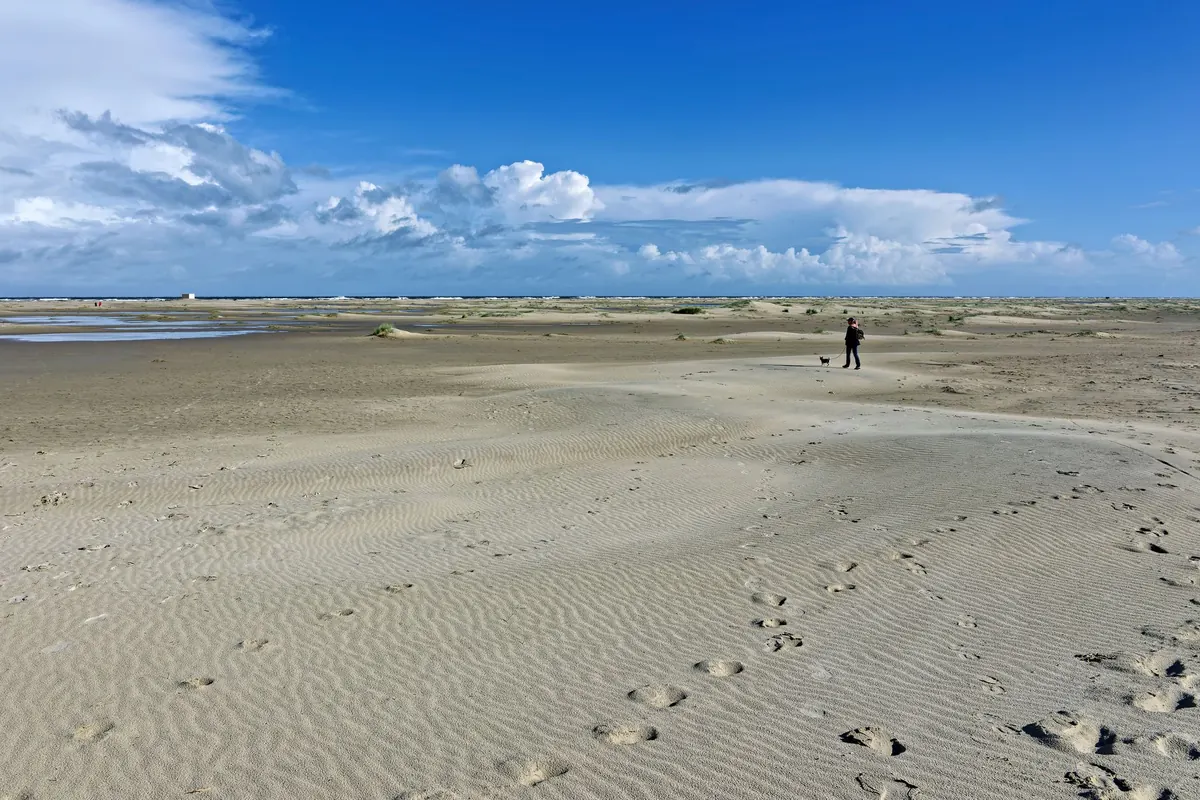
The South West Coast Path runs roughly 630 miles from Minehead in Somerset to Poole Harbour in Dorset, and almost nobody walks it in one go. Cliff paths, steep combes and constant small climbs mean a ten-mile day can take as long as fifteen miles on flatter ground. Section hiking — choosing a manageable stretch, walking it well, then coming back for the next one — is how most people actually experience the path. It also makes for a far better introduction than trying to conquer the whole thing in a single summer.
Be honest about what you can walk, then cut it by a third. The path's reputation for toughness is earned: a stretch that looks short on the map can take six or seven hours once you account for the descent into every valley and the climb back out of it.
For a first taste, look for days with a few escape points — villages with bus stops, car parks or a station — so you are never committed to finishing a walk that has turned against you.
Some sections that work well for beginners:
Leave the steepest stretches — north Cornwall between Boscastle and Bude, or the granite coast around Land's End — until your legs have some miles behind them.
The path's biggest logistical problem is that it does not loop back on itself. You finish where you finish, and your car is somewhere else entirely.
Work out the return leg first. A beautiful section with no way back turns a long day's walking into a very long evening.
Accommodation ranges from campsites and youth hostels to pubs with rooms and small hotels. Coastal villages fill up quickly in summer, and some have very few beds. Book ahead in peak season, especially at weekends.
A few habits that make planning easier:
If you are walking alone, tell someone your route and expected finish time each day. Phone signal is patchy on many cliff sections, so carry a paper map and a rough plan alongside a charged phone.
The coast has its own climate. A still, warm morning in a sheltered valley can turn into a stiff, wet wind on the next headland, and sea fog can arrive within the hour. Layers beat one heavy coat every time.
Your core kit:
Leave the big rucksack at home where you can. A day pack of fifteen to twenty litres is enough for most sections, and your knees will notice the difference on the descent into the next combe.
Start earlier than you think you need to. Coastal light fades quickly, and the final hour is when mistakes happen. Take the climbs steadily, stop for ten minutes every couple of hours, and eat before you are hungry rather than after.
If conditions turn genuinely dangerous — high winds on exposed clifftops, or a storm closing in — turn back or divert inland. The path will still be there next time.
Book your first section as a single day rather than a week. Pick somewhere with an easy bus or train link, keep the distance short, and treat it as a test of your boots, your waterproofs and your appetite for cliff walking. Most people learn more about their own pace from that first day than from any amount of reading.
Check tide times where the route crosses beaches, confirm your bus or train, and go. If you have joint, heart or breathing conditions, or you are planning a long-distance walking programme, speak to a doctor or a qualified walking instructor before committing to anything strenuous.
The South West Coast Path rewards patience and preparation — and it is very hard to stop at just one section.
Photo: Ralf Heinecke / Pexels
A practical guide to eating well and cheaply in Lisbon, from family-run tascas and market counters to...
From school holiday pricing and cancellation terms to hidden fees and misleading locations, here's how to...
A practical pre-trip checklist for first-time solo backpackers, covering paperwork, gear, hostels, safety,...