A Local's Guide to Affordable Eats in Lisbon
A practical guide to eating well and cheaply in Lisbon, from family-run tascas and market counters to...

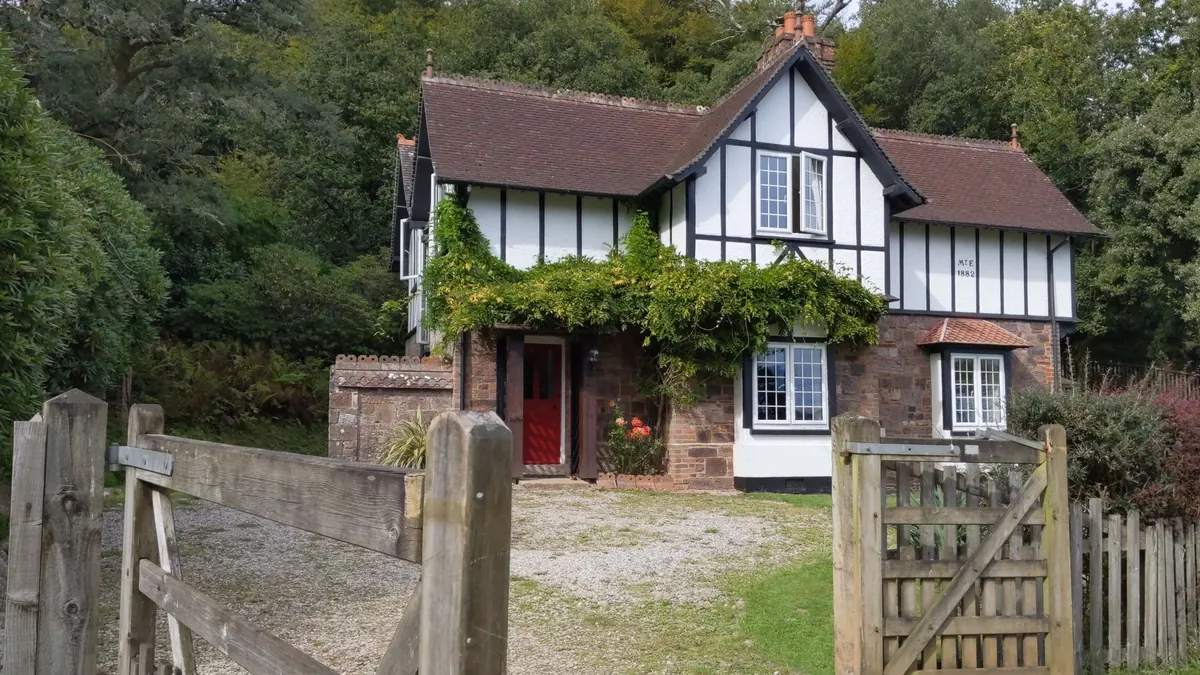
A week in a Cornish cottage in February and the same week in August can feel like two entirely different holidays — and the price gap is only the beginning. Most disappointing UK breaks aren't ruined by rain or bad luck. They're ruined by a booking made quickly, in a browser tab opened late at night, with the terms skimmed and the map unread.
The reassuring part is that nearly every common problem is visible before you pay a penny. You just need to know where to look.
If you're tied to school term dates, you're shopping in the most expensive weeks of the year. Demand piles into a handful of windows: February half-term, Easter, the late-May bank holiday, the long summer break and the days between Christmas and New Year. The same cottage can be priced very differently from the week either side, and minimum-stay rules often tighten at the same time — a property that happily takes two nights in October may insist on a full week in August.
Booking early secures the property, not necessarily the best price. Booking late can be cheaper, but you're choosing from what's left, and last-minute availability often comes with stricter payment terms. If you have any flexibility at all, use it. Shifting a trip by a few days — the final week of the summer holidays, or a Sunday-to-Friday break rather than a Friday-to-Friday one — frequently makes a noticeable difference.
Two things to check on every listing before you compare prices: is the figure per night or per week, and are short breaks actually permitted in your dates? A "from £95" headline is meaningless if the minimum stay is seven nights.
Cancellation policies vary enormously, and the differences matter more than the décor. Some bookings are refundable within 24 or 48 hours; others are effectively final the moment you pay a deposit. Many require the balance several weeks before arrival, which means you're fully committed long before you pack.
Look for the word amendment, not just cancellation. Being able to move your dates rather than cancel outright is often the more useful flexibility, and it isn't always advertised. Some hosts will do it as a goodwill gesture if you ask early; some charge a fee; some refuse entirely.
Get the answer in writing. If travel insurance is part of your plan, check the policy wording carefully, because cover for cancellations is usually narrower than people assume. If anything is unclear, ask the insurer directly before you rely on it.
The headline rate is rarely the total. Booking fees, cleaning charges, linen and towel hire, pet supplements, logs for the wood burner, hot tub heating, damage deposits and parking permits can all sit outside the advertised price. On a short break, extras can add a meaningful percentage to what you actually pay.
Watch for these in particular:
Ask for a written total including VAT before you commit, and compare that figure — not the headline — against the alternatives.
"Ten minutes from the beach" tells you nothing. Ten minutes walking or ten minutes driving? Down a lane with no pavement? On a steep hill that's fine in July and miserable in a February wind?
Paste the postcode into a map, switch to satellite view, and look properly. Check for the things photos never show: a main road at the end of the garden, a railway line, a working farm, a wedding venue, a recycling centre, a holiday park with a clubhouse, or a building site next door. In coastal villages, check parking — some streets are permit-only and the nearest space may be a long walk with luggage. In remote areas, check the mobile signal and how far the nearest shop really is.
Also read the access details. Single-track lanes, low bridges, steep driveways and tidal causeways are all part of the charm until you're navigating them in the dark with tired children in the back.
Booking through a large platform usually gives you a clear payment trail and a complaints process. Booking direct sometimes gets you better terms, a more flexible host and a fairer price. Neither is automatically right.
What matters is knowing who you're actually paying. If a "booking" request asks for a bank transfer to personal details, treat it as a serious warning sign. And read reviews across more than one source — the middling three-star ones tend to be the most honest, especially when the same complaint appears more than once.
None of this takes long. Fifteen minutes of checking before you book is usually the difference between a break you'd happily repeat and one you spend quietly fuming about.
Photo: Nomad Photographer / Pexels
A practical guide to eating well and cheaply in Lisbon, from family-run tascas and market counters to...
How to break Britain's longest National Trail into manageable day sections, with practical advice on...
A practical pre-trip checklist for first-time solo backpackers, covering paperwork, gear, hostels, safety,...