A Local's Guide to Affordable Eats in Lisbon
A practical guide to eating well and cheaply in Lisbon, from family-run tascas and market counters to...

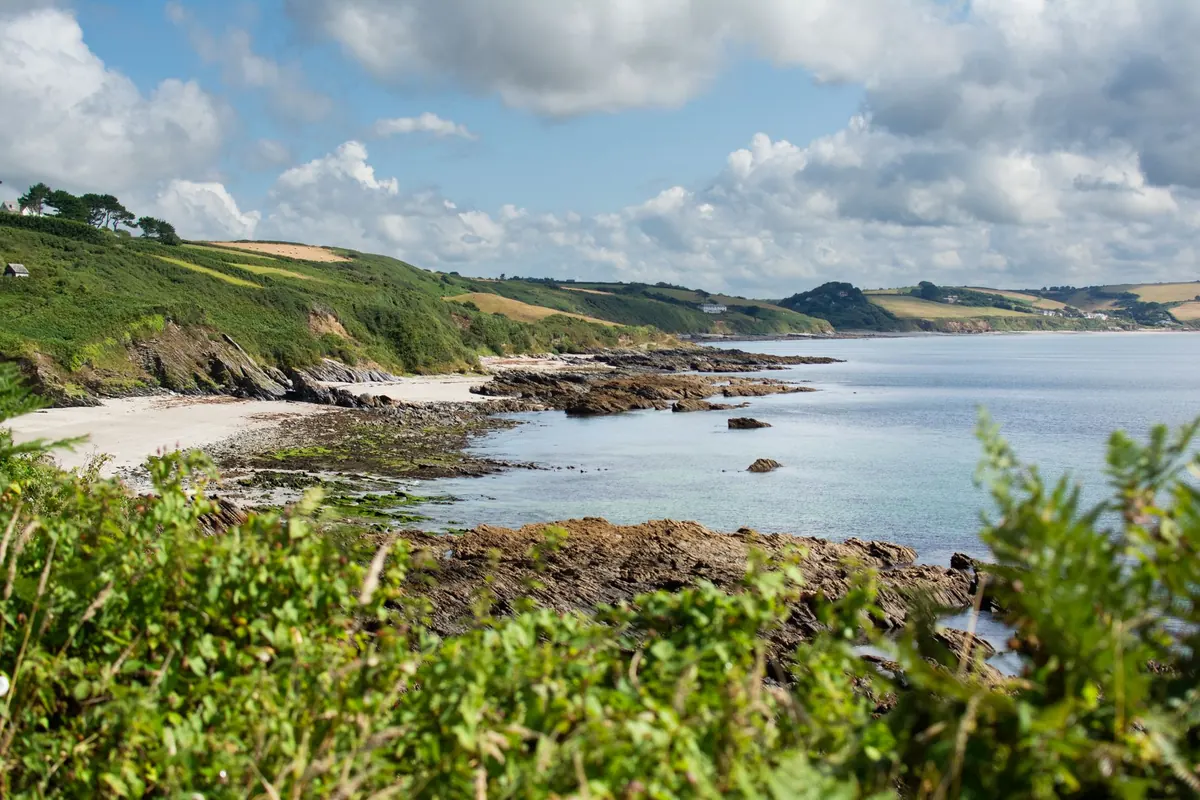
Cornwall looks small on a map and takes far longer to drive than anyone expects. That is part of the appeal. The lanes are narrow, the hedges are high, and every few miles there is a beach, a garden or a tearoom worth stopping for. This five-day route runs anticlockwise from Padstow to the Roseland, pairing short coastal walks with drives that justify the fuel. You will need a car, decent walking shoes and a relaxed attitude to arrival times.
Start in Padstow, where the harbour fills with small boats and the smell of chips drifts up from the quay. Walk the Camel Trail for an hour if you want to stretch your legs after travelling, or take the ferry across to Rock and back for a cheap view of the estuary.
Spend the afternoon on the coast road towards the Seven Bays. Park once and walk between beaches rather than moving the car four times.
Finish with a cream tea, ideally somewhere with a window seat. In Cornwall the jam goes on first, then the clotted cream, and locals will correct you politely if you do it the other way. If you are swimming anywhere along this coast, check the tide times and whether RNLI lifeguards are on duty that day.
Driving into St Ives in high season is a test of patience. Leave the car at St Erth and take the branch line instead; the train hugs the bay and drops you minutes from the harbour. Spend the morning at Porthmeor beach, the Tate St Ives and the Barbara Hepworth Museum and Sculpture Garden, which is smaller than people expect and all the better for it.
After lunch, drive the B3306 from St Ives to St Just. This is the stretch people remember: bare moorland on one side, granite cliffs on the other, and almost nowhere to overtake. Pull in at Zennor for the church, with its famous mermaid carving, and a pint at the pub opposite. A short walk up to Zennor Head takes about twenty minutes each way and gives you the whole coastline in one view.
Carry on past Gurnard's Head and Morvah, then stop for the night in St Just or Penzance. Book accommodation ahead between June and September; the good places go early.
Begin at Cape Cornwall, where a chimney stack from an old mine sits on the headland and the coast path runs in both directions. Then continue to Land's End, which is busier and more commercial than the scenery deserves, but the cliffs behind the visitor buildings are still worth ten minutes of your time.
The afternoon belongs to Porthcurno. The Minack Theatre is carved into the cliff above the beach, and if there is a performance you will need to book well in advance; the daytime viewing slots are easier to arrange. Below it, Porthcurno beach has fine white sand and a steep walk down. Allow time for the telegraph museum in the village if you have any interest in how the world was wired together.
Round the day off in Mousehole, a tight knot of cottages around a small harbour, then Newlyn or Penzance for dinner. If you want to see St Michael's Mount at Marazion, check the causeway times before you go – at high tide you will be taking the boat.
Head south from Penzance towards Helston, then follow signs for Lizard Point, the most southerly place in mainland Britain. Park in the village and walk down, or use the car park at Kynance Cove if you arrive early. Kynance is the postcard: serpentine rock, turquoise water and sand that appears and vanishes with the tide, so time your visit around low water.
From there, work your way round the peninsula. Mullion Cove has a working harbour wall and a good cliff walk above it. Cadgwith is a proper fishing village with a pub right by the slipway. Coverack is quieter, with a curved beach and a few places for lunch. If the weather turns, the gardens near Falmouth – Trebah and Glendurgan – are excellent wet-weather standbys, and both serve a reliable cream tea.
Start in Falmouth with Pendennis Castle or the National Maritime Museum, then take the ferry across to St Mawes. From St Mawes, the Place ferry drops you on the Roseland side, where a flat walk to St Anthony Head takes in woodland, a lighthouse and views back across the bay.
Spend the afternoon driving the lanes towards Mevagissey, or book a slot at the Lost Gardens of Heligan or the Eden Project if you would rather finish indoors. Either way, keep the last hour free for one final cream tea in a village tearoom, preferably with a slice of saffron cake alongside it.
Cornwall rewards early starts. Lanes are single-track in places, passing places are frequent, and locals drive them quickly – pull in, let them past and carry on. Most car parks fill by mid-morning in summer, so plan your main stop for the day and walk from there.
A rhythm that works well over five days:
Worth booking ahead:
The South West Coast Path is waymarked with an acorn, which makes short walks easy to follow without a map. Take a waterproof whatever the forecast says, wear shoes with grip on wet granite, and keep an eye on tide times if you are walking below the cliffs. Fuel up before the far west, where petrol stations are thinner on the ground.
Photo: Alexandra Kirikova / Pexels
A practical guide to eating well and cheaply in Lisbon, from family-run tascas and market counters to...
From school holiday pricing and cancellation terms to hidden fees and misleading locations, here's how to...
How to break Britain's longest National Trail into manageable day sections, with practical advice on...