
A Local's Guide to Affordable Eats in Lisbon
A practical guide to eating well and cheaply in Lisbon, from family-run tascas and market counters to...

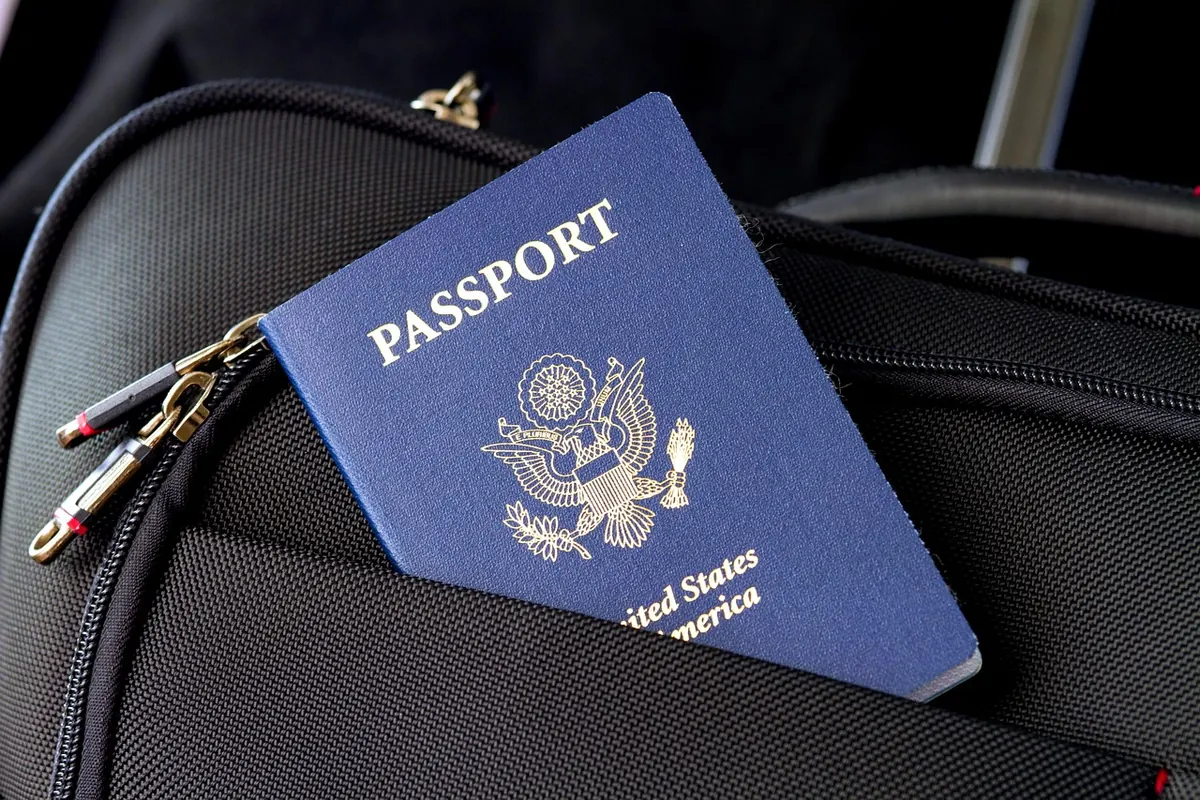
Travel insurance is one of the few purchases where the cheapest option is rarely right, and the most expensive one rarely is either. What matters is whether the policy fits how you actually travel. A fortnight in Portugal asks something very different of an insurer than a year in South America, or a week of skiing in Austria. Below is how the four main types of UK policy compare, where they tend to let people down, and how to work out which one you need — ideally before you book the flights.
One journey, out and back. Simple, and usually the cheapest option if you take one proper holiday a year. Buy it when you book rather than the night before you fly: cancellation cover only starts once the policy is live, so a policy taken out in the departure lounge protects almost nothing.
Check the dates carefully. Leaving a day off either end is a common mistake, and claims that fall outside the policy period get messy. Family and group versions exist — make sure every traveller is named, including the baby who technically doesn't need a seat on the plane.
Twelve months of trips for one premium, which usually works out cheaper than three single policies. It suits anyone taking several city breaks, regular family visits abroad or a mix of work and leisure travel.
The catch is the per-trip limit. Annual policies normally cap how long any single trip can last — often somewhere around 30 to 45 days — and that cap varies a lot between insurers. If your summer trip is longer than the cap, the policy won't help you, whatever else it promises.
Two other things worth checking: whether business travel is included, and whether cover is Europe-only or worldwide including the USA and Canada. Worldwide cover costs noticeably more, so if Spain and Greece are the extent of your ambitions, don't pay for California.
Built for trips that run past the annual policy's per-trip cap — a gap year, a few months in Southeast Asia, a long overland route. They're often sold in blocks, and you can usually extend while you're away, though it's cheaper and easier to buy enough cover up front.
Read the activity and work clauses closely. Standard policies often exclude paid work, volunteering, hitchhiking, motorbike riding and travel to regions the Foreign, Commonwealth & Development Office advises against visiting. If a working holiday visa requires proof of insurance, the paperwork needs to match what the visa actually asks for.
Winter sports is usually an add-on to a standard policy or a separate one altogether, and it's worth buying even if you're a careful skier. Off-piste runs are frequently excluded unless you're with a qualified guide, and claims involving alcohol are routinely turned down. Check whether your equipment is covered, and whether piste closure or avalanche delay counts as a valid reason to claim.
The same principle applies to the rest of the year. Cycling, hiking above a stated altitude, scuba diving, quad biking and even some organised water sports can sit outside a standard policy. If your holiday involves anything more energetic than swimming, scan the activity list before you pay.
Most disputes aren't about the big print. They're about the small print nobody read.
Compare four numbers before you compare premiums: the medical expenses limit, the cancellation limit, the baggage limit and the excess.
The UK Global Health Insurance Card is free and worth carrying if you're travelling in the EU. It gives you access to state-provided healthcare on the same terms as a local resident, which means it may be free, or may involve a charge you'd pay at home too. Check the current rules for Norway, Switzerland, Iceland and Liechtenstein before you rely on it there.
It is not insurance. It won't pay for repatriation, a private clinic, a cancelled trip, lost luggage or a replacement passport — and those are exactly the costs that hurt.
If you travel twice a year or more, annual cover is usually the straightforward answer. Once a year, single-trip. Months rather than weeks, backpacker. Anything on snow, winter sports. Everything else is detail.
Take the policy out when you book, save the emergency assistance number to your phone, and keep a copy of the documents offline. That number is the one to call before agreeing to treatment abroad, not the customer service line back home.
Finally, if your circumstances are complicated — a serious medical history, a long trip that involves working, a family member whose health is uncertain — speak to a specialist broker rather than guessing. This is general guidance, not regulated financial advice, and the right policy is the one whose wording matches your trip.
Photo: cytis / Pixabay
A practical guide to eating well and cheaply in Lisbon, from family-run tascas and market counters to...
From school holiday pricing and cancellation terms to hidden fees and misleading locations, here's how to...
How to break Britain's longest National Trail into manageable day sections, with practical advice on...