A Local's Guide to Affordable Eats in Lisbon
A practical guide to eating well and cheaply in Lisbon, from family-run tascas and market counters to...

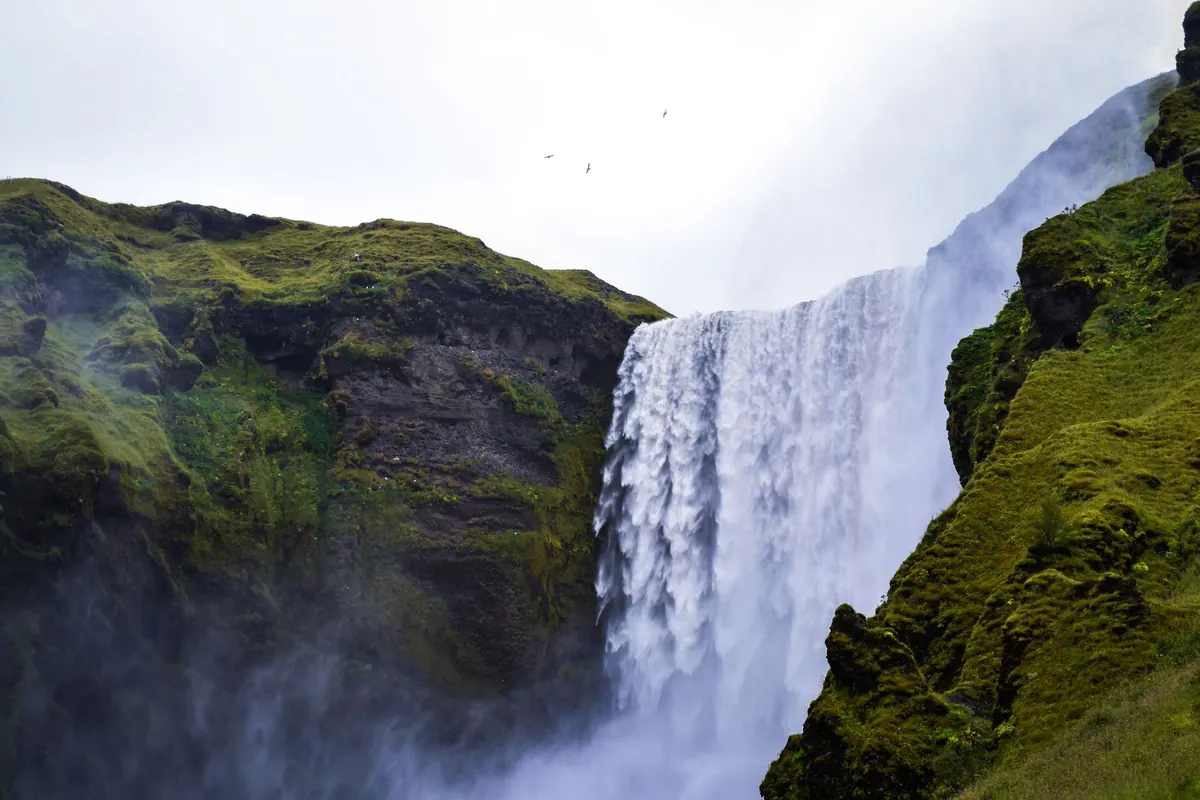
Ask ten people when to visit Iceland and you will get ten answers, each one defensible. January means aurora forecasts, snow walls flanking the road and lunch at what feels like dusk. June means hiking at eleven at night in broad daylight, then lying awake because your brain refuses to accept that the day is over. Both trips are wonderful. They are also almost nothing alike.
What follows is a month-by-month look at the three things that genuinely shape an Icelandic trip: daylight, road access and cost. Get those right and the rest — the waterfalls, the hot pools, the long empty stretches of Route 1 — tends to look after itself.
Daylight moves faster here than most visitors expect. Reykjavík sees roughly four hours of pale light around the winter solstice and close to twenty-one hours around midsummer, with the remaining night hours staying stubbornly grey rather than properly dark. In March and September the days stretch by several minutes at a time, so trips booked a fortnight apart can feel like different seasons.
Road access follows the snow. The highland F-roads usually open in the second half of June and close again by early September. Route 1, the ring road, is driveable all year, but winter wind, drifting snow and short closures on the south coast and over mountain passes are normal rather than exceptional.
Cost tracks daylight almost exactly. July and August, along with the Christmas and New Year fortnight, are the priciest weeks for flights, rooms and vehicle hire. Late September, October and the weeks around Easter are cheaper and quieter, with enough daylight left to do something useful with the day.
Daylight drops to around four or five hours in December, recovering to seven or eight by late February. The sun rises late and sets early, which makes ambitious self-drive days unrealistic. Plan one main activity, then a soak in a geothermal pool while there is still light to find your way back.
The aurora is active all year, but you only see it when the sky is dark and clear, which in practice means roughly September to mid-April. The equinox months of March and September often produce good displays, though nothing is guaranteed. Give yourself at least four or five nights somewhere with dark skies — the Snæfellsnes peninsula, the coast around Vík, or the lava fields outside Reykjavík. Check the cloud forecast as carefully as the aurora forecast; a strong display behind thick cloud is worth nothing at all.
Winter tyres are fitted as standard on most hire cars from around November to April, and studs are common. F-roads are shut, and the Westfjords and East Fjords demand patience and a proper 4x4. Check the official road and weather sites, road.is and vedur.is, every morning before you set out. Winter costs sit well below summer levels, with one exception: the Christmas and New Year period, when Reykjavík fills up and prices climb accordingly.
March still behaves like winter: snow on the mountains, good aurora chances, rapidly lengthening days. By April, meltwater is thundering over Gullfoss and Skógafoss, the first puffins return to their burrows, and the south coast becomes pleasantly manageable.
May is one of the most underrated months. There are around seventeen to nineteen hours of daylight by the end of it, campsites and guesthouses are open, and the coach parks at the big sights are half empty. The highlands remain closed, and slush, spray and loose gravel demand care, but for a first visit it is hard to beat. Prices sit in the middle, and Easter week is the one stretch to avoid if you want peace.
Around the solstice, Reykjavík manages roughly twenty-one hours between sunrise and sunset, and the rest is twilight rather than true night. Pack an eye mask; hotel curtains rarely win against Icelandic summer light. North around Akureyri, the sun barely dips at all.
The F-roads open, usually from mid or late June until early September, and the interior — Landmannalaugar, Askja, Þórsmörk — becomes reachable. Drive them only in a suitable 4x4, and check whether your hire agreement covers river crossings, because many do not. This is the season for puffins, whale watching from Húsavík or Reykjavík, and long hikes that finish at midnight.
It is also peak season. Book vehicles and rooms months ahead, expect the highest prices of the year, and accept that the aurora is off the menu. If the northern lights are your reason for coming, choose another season.
September is arguably the sweet spot. Daylight starts at around thirteen hours and falls steadily, the highlands are often still open in the first week or two, birch and willow turn gold, and the nights are dark enough for aurora by late September. Crowds thin after the first week and prices soften.
By October you are down to around ten hours of daylight and losing several minutes a day. Snow dusts the mountains, aurora season is in full swing, and some tours and mountain roads wind down for the year. Weather turns wet and windy, so leave slack in the itinerary rather than booking every hour of it.
Book vehicle hire and accommodation first for June to August, then build the itinerary around them. In winter, treat the aurora as a bonus rather than a schedule item, and give yourself a buffer of at least a couple of nights.
Check your insurance properly. Car policies vary on gravel, sand and ash damage — genuine risks on the south coast — and on river crossings. Travel cover should match what you actually plan to do, whether that is glacier walking or simply driving in winter conditions. If you are unsure what you need, ask the insurer or a specialist before you pay for anything.
Finally, keep one day unplanned. Icelandic weather rewrites itineraries without warning, and the best moments tend to happen on the day you left free.
Photo: Rostyslav Savchyn / Pexels
A practical guide to eating well and cheaply in Lisbon, from family-run tascas and market counters to...
From school holiday pricing and cancellation terms to hidden fees and misleading locations, here's how to...
How to break Britain's longest National Trail into manageable day sections, with practical advice on...